
Apr 11
Navigating a World Without Antibiotics
The Post-Antibiotic Apocalypse
For nearly a century, we have enjoyed a golden age of medicine where the risk of death
from a simple scratch or an annoying cough has largely vanished. Antibiotics are a
cornerstone of modern healthcare, yet their effectiveness is often taken for granted, and
they are frequently used for even minor ailments. However, this sense of security is
quickly eroding as bacteria develop resistance to these drugs, leading us towards a
"post-antibiotic era" in which common infections could once again be deadly.
Life Before Penicillin
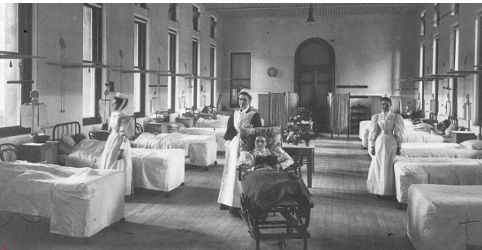
To grasp what we stand to lose, we need to examine the medical landscape before the
discovery of penicillin in 1928. During that period, infectious diseases caused high
levels of serious illness and death, and the average life expectancy was often less than
50 years, even in countries with advanced healthcare.
- Fatal Minorities: Conditions we now regard as minor, like ear or throat infections, were once potentially fatal; an ear infection could readily spread to the brain.
- Death Sentences: Bacterial meningitis had a 90% mortality rate among children, and those who survived often faced lifelong disabilities.
- The Pneumonia Threat: Before antibiotics, one in three patients diagnosed with pneumonia died.
- Drastic measures: Simple cuts and scrapes often developed into serious systemic infections, frequently necessitating the amputation of a limb.
- Dangerous Deliveries: Childbirth was a high-risk event for both mother and
child due to the lack of medicine to fight infection during pregnancy and post
delivery.
The Problems Caused by Antibiotic Loss
Losing effective antibiotics would not only revert us to the 1920s; it would also hinder
progress in modern medicine. Advances in healthcare rely on controlling infections in
society generally, during and after surgery, as well as on successful cancer treatments.
- High-stakes surgery: routine procedures such as hip replacements, heart surgeries, and organ transplants could become impossible due to the high risk of untreatable post-operative sepsis.
- The Chemotherapy Crisis: Cancer treatments, which suppress the immune system, depend on antibiotics to keep patients safe; without them, the risk of a deadly infection during chemotherapy would be too high to justify the treatment.
- Neonatal Vulnerability: About 3 million newborns suffer from sepsis each year; currently, 30% of neonatal sepsis deaths are caused by antibiotic-resistant bacteria.
- Pan-Resistant "Superbugs": We are already witnessing "pan-resistant" infections that do not respond to any known antibiotics, including cases of Klebsiella pneumoniae and Pseudomonas aeruginosa, which have caused rapid patient death from septic shock.
- The Economic Toll: If not addressed, antibiotic resistance could lead to a 3.8%
drop in global GDP by 2050, potentially forcing 24.1 million people into severe
poverty.
The Role of Stewardship (AMS) in the Crisis
This "post-antibiotic apocalypse" is driven by failures in antimicrobial stewardship
(AMS), which aims to use these drugs more responsibly and appropriately.
- Human Misuse: Using antibiotics for viral infections (where they are ineffective) and patients failing to complete their prescribed courses, enables bacteria to adapt and develop resistance.
- Agricultural Drivers: In the U.S., for example, approximately 80% of antibiotics are purchased for use in livestock management, primarily for growth promotion or routine disease prevention in often crowded and unsanitary conditions.

- Selective Pressure: Each time an antibiotic is used - whether appropriately or not - it applies selective pressure, killing vulnerable bacteria while letting resistant strains survive and multiply.
- Environmental Spillover: Resistant bacteria from farms and pharmaceutical
manufacturing are released into soil and groundwater, eventually reaching
human populations through the food chain or by direct contact.
What Remains in Our Arsenal?
While the antibiotics “pipeline” is described as "almost dry," we have several essential
non-drug strategies and emerging technologies to fight infections.
- WASH (Water, Sanitation, and Hygiene): Improving global access to clean water and sanitation could reduce diarrhoea cases treated with antibiotics by 60%. Hand hygiene remains a vital, cost-effective barrier against the spread of resistant pathogens.

- Vaccination: Vaccines prevent infections before they occur, reducing the need for antibiotics; for instance, universal coverage of the pneumococcal vaccine could prevent 11.4 million days of antibiotic use in children annually.
- Surveillance Systems: Initiatives like the Global Antimicrobial Resistance and Use Surveillance System (GLASS) assist in monitoring resistance trends and pinpointing hotspots, enabling targeted public health interventions.
- Innovation Incentives: As developing new antibiotics is financially risky for pharmaceutical companies, governments are exploring "push" funding (grants for research) and "pull" funding (market rewards for successful drugs) to revitalise the antibiotic pipeline.
- Target Product Profiles (TPPs): The WHO has identified global priorities for innovation, focusing on severe multidrug-resistant Gram-negative infections and bacterial meningitis.
- Alternatives to Traditional Drugs: Research is broadening into fungal-based bioactive compounds and "drugs of last resort" such as colistin, although even these are facing increasing resistance.
A Shared Societal Trust
Antibiotics are special because they can lose their effectiveness with each
transmission; your use of an antibiotic today might affect your neighbour’s ability to use
it effectively tomorrow. We must view these medicines as a shared societal resource
rather than a disposable commodity. Protecting their power requires a "One Health"
approach, recognising that human, animal, and environmental health are
fundamentally linked.
Conclusion
The threat of a world without antibiotics isn't a distant illusion but a slow-moving
pandemic already underway. We've witnessed the devastating reality of the pre
antibiotic era and now face a future where even our most advanced medical procedures
could become deadly. However, by adopting strict antimicrobial stewardship, investing
in vaccines and sanitation, and encouraging innovation, we can still safeguard this vital
medical legacy. The decisions we make today - as patients, healthcare providers, and
policymakers - will determine whether antibiotics remain a reliable safeguard for future
generations.
See more of our blogs on the HUB – or ask a question of EVE. Still need help? Contact
our team at support@infection control.care
We are on Facebook and LinkedIn – be sure to like and share
Take advantage of our expertise in IPC. See the HUB for policies, resources and courses relating to this very important subject. Ask EVE for a quick answer to your question.
We are on Facebook and LinkedIn – be sure to like and share
Take advantage of our expertise in IPC. See the HUB for policies, resources and courses relating to this very important subject. Ask EVE for a quick answer to your question.
Lyndon Forrest
Managing Director | CEO
Lyndon is the Managing Director of Infection Prevention Services (IPS), bringing over 30 years' experience supporting aged care providers across Australia and New Zealand.
With a background spanning outbreak response, compliance, and infection risk management — alongside hands-on experience leading teams, managing multi-site operations, and navigating business turnaround — he understands both the clinical and organisational pressures aged care providers face. Lyndon holds a Master of Commerce (Industrial Relations), and applies that foundation to the people, process, and growth challenges that come with running a complex healthcare services business.
He is passionate about building the systems and capability that make infection prevention sustainable — not just compliant — and about helping organisations grow their confidence alongside their practice.
Lyndon's focus is straightforward: strengthen operations, develop the right people, and drive proactive infection prevention strategies that protect residents, staff, and communities for the long term.
Lyndon is the Managing Director of Infection Prevention Services (IPS), bringing over 30 years' experience supporting aged care providers across Australia and New Zealand.
With a background spanning outbreak response, compliance, and infection risk management — alongside hands-on experience leading teams, managing multi-site operations, and navigating business turnaround — he understands both the clinical and organisational pressures aged care providers face. Lyndon holds a Master of Commerce (Industrial Relations), and applies that foundation to the people, process, and growth challenges that come with running a complex healthcare services business.
He is passionate about building the systems and capability that make infection prevention sustainable — not just compliant — and about helping organisations grow their confidence alongside their practice.
Lyndon's focus is straightforward: strengthen operations, develop the right people, and drive proactive infection prevention strategies that protect residents, staff, and communities for the long term.
Erica Callaghan
Marketing Manager
Erica Callaghan is a dedicated professional with a rich background in agriculture and nutrient management. Growing up on her family's farm in Mid Canterbury, she developed a deep passion for farming. She currently resides on her partner's arable property in South Canterbury.
In 2017, Erica joined the Farm Sustainability team, focusing on nutrient management and environmental stewardship. In February 2024, she became the Manager of Marketing and Sales at Bug Control New Zealand - Infection Prevention Services, where her passion now includes improving infection prevention outcomes.
Outside of work, Erica loves cooking and traveling, often combining her culinary interests with her explorations in Italy and Vietnam. She enjoys entertaining family and friends and remains actively involved in farm activities, especially during harvest season.
Erica Callaghan is a dedicated professional with a rich background in agriculture and nutrient management. Growing up on her family's farm in Mid Canterbury, she developed a deep passion for farming. She currently resides on her partner's arable property in South Canterbury.
In 2017, Erica joined the Farm Sustainability team, focusing on nutrient management and environmental stewardship. In February 2024, she became the Manager of Marketing and Sales at Bug Control New Zealand - Infection Prevention Services, where her passion now includes improving infection prevention outcomes.
Outside of work, Erica loves cooking and traveling, often combining her culinary interests with her explorations in Italy and Vietnam. She enjoys entertaining family and friends and remains actively involved in farm activities, especially during harvest season.
Toni Sherriff
Clinical Nurse Specialist
Toni is a Registered Nurse with extensive experience in Infection Prevention and Control. Her career began as a kitchen hand and caregiver in Aged Care facilities, followed by earning a Bachelor of Nursing.
Toni has significant experience, having worked in Brisbane’s Infectious Diseases ward before returning home to New Zealand, where she continued her career as a Clinical Nurse Specialist in Infection Prevention and Control within Te Whatu Ora (Health NZ).
Toni brings her expertise and dedication to our team, which is instrumental in providing top-tier infection prevention solutions to our clients.
Toni is a Registered Nurse with extensive experience in Infection Prevention and Control. Her career began as a kitchen hand and caregiver in Aged Care facilities, followed by earning a Bachelor of Nursing.
Toni has significant experience, having worked in Brisbane’s Infectious Diseases ward before returning home to New Zealand, where she continued her career as a Clinical Nurse Specialist in Infection Prevention and Control within Te Whatu Ora (Health NZ).
Toni brings her expertise and dedication to our team, which is instrumental in providing top-tier infection prevention solutions to our clients.
Julie Hadfield
Accounts & Payroll
Julie is experienced in Accounts & Payroll Administration & after a long career in both the Financial & Local Government Sectors, is now working with our team. Julie brings her strong time management & organisational skills to our team, which is important to keep the company running in the background to enable the rest of our team to provide top notch service to all of our clients.
Julie is experienced in Accounts & Payroll Administration & after a long career in both the Financial & Local Government Sectors, is now working with our team. Julie brings her strong time management & organisational skills to our team, which is important to keep the company running in the background to enable the rest of our team to provide top notch service to all of our clients.
Andrea Murray
Content Editor
I attended Otago University in NZ and graduated as a Dental Surgeon. After 40 years in the profession, I retired in 2022. Infection prevention knowledge was part of everyday practice, dealing with sterilisation, hand hygiene, and cleaning.
Before retiring, I began doing some editing and proofreading for Bug Control as I am interested in the subject and in the English language. During the COVID-19 lockdown, I attended the ACIPC course "Introduction to Infection Prevention and Control", which increased my interest in the subject. I now work part-time as the Content Editor for the company.
I attended Otago University in NZ and graduated as a Dental Surgeon. After 40 years in the profession, I retired in 2022. Infection prevention knowledge was part of everyday practice, dealing with sterilisation, hand hygiene, and cleaning.
Before retiring, I began doing some editing and proofreading for Bug Control as I am interested in the subject and in the English language. During the COVID-19 lockdown, I attended the ACIPC course "Introduction to Infection Prevention and Control", which increased my interest in the subject. I now work part-time as the Content Editor for the company.
Personally, I lived in the UK for 10 years. My two children were born in Scotland, and now both are living in Europe, one in Amsterdam, Netherlands, and the other in Edinburgh, Scotland. I live close to Fairlie on the South Island of NZ, a beautiful part of the country, and I love being out of the city.
Princess
Customer Support
Princess began her career as a dedicated Customer Service Representative, honing her communication and problem-solving skills. She later transitioned into a Literary Specialist role, where she developed a keen eye for detail. Her journey then led her to a Sales Specialist position, where she excelled in client relations.
Now, as a Customer Support professional in Infection Prevention Services. Princess focuses on ensuring customer satisfaction, building loyalty, and enhancing the overall customer journey.
Princess began her career as a dedicated Customer Service Representative, honing her communication and problem-solving skills. She later transitioned into a Literary Specialist role, where she developed a keen eye for detail. Her journey then led her to a Sales Specialist position, where she excelled in client relations.
Now, as a Customer Support professional in Infection Prevention Services. Princess focuses on ensuring customer satisfaction, building loyalty, and enhancing the overall customer journey.
Dianne Newey
Senior Infection Prevention and Control Consultant
Dianne is a Senior Clinical Consultant at Infection Prevention Services (IPS), bringing over 35 years of nursing experience and a depth of clinical knowledge that most people would need two careers to accumulate.
Having served as Clinical Director at Royal Ryde Rehabilitation Hospital alongside a career spanning the full breadth of clinical practice, Dianne has seen it all — and more importantly, knows exactly what to do about it. She is the person in the room that everyone quietly hopes will speak first.
For more than seven years she has been a cornerstone of the IPS team, providing clinical advice, developing and reviewing policies and procedures, delivering monthly IPC webinars to IP Leads, and conducting environmental audits in aged care facilities across Australia and New Zealand. If infection prevention has a question, Dianne almost certainly has the answer — and she'll deliver it with a laugh that you'll hear from the other end of the corridor.
A true fountain of knowledge, wrapped in the kind of warmth and humour that only three decades of nursing can produce. Customers don't just trust Dianne — they look forward to hearing from her.
Dianne is a Senior Clinical Consultant at Infection Prevention Services (IPS), bringing over 35 years of nursing experience and a depth of clinical knowledge that most people would need two careers to accumulate.
Having served as Clinical Director at Royal Ryde Rehabilitation Hospital alongside a career spanning the full breadth of clinical practice, Dianne has seen it all — and more importantly, knows exactly what to do about it. She is the person in the room that everyone quietly hopes will speak first.
For more than seven years she has been a cornerstone of the IPS team, providing clinical advice, developing and reviewing policies and procedures, delivering monthly IPC webinars to IP Leads, and conducting environmental audits in aged care facilities across Australia and New Zealand. If infection prevention has a question, Dianne almost certainly has the answer — and she'll deliver it with a laugh that you'll hear from the other end of the corridor.
A true fountain of knowledge, wrapped in the kind of warmth and humour that only three decades of nursing can produce. Customers don't just trust Dianne — they look forward to hearing from her.
Caoimhe (Keva) Stewart
Clinical & Business Operations Manager
Caoimhe is the Clinical & Business Operations Manager at Infection Prevention Services (IPS), bringing a clinical background as a Registered Nurse across the UK and Australia — and an almost unsettling ability to make technology do exactly what she wants.
With experience in Occupational Health, Palliative Care, and Community Nursing, she understands the real challenges faced by healthcare teams. What she may lack in stature she more than makes up for in impact — Caoimhe is the kind of person who walks into a problem, sizes it up, and has three solutions before anyone else has finished reading the brief.
Customers love her. Not just because she delivers — though she always does — but because she genuinely cares about the outcome on the other side. She is passionate about creating seamless learning experiences and empowering organisations with the tools, knowledge, and support needed to strengthen infection prevention practices and improve care outcomes.
Small in size. Mighty in results. Completely irreplaceable.
Caoimhe is the Clinical & Business Operations Manager at Infection Prevention Services (IPS), bringing a clinical background as a Registered Nurse across the UK and Australia — and an almost unsettling ability to make technology do exactly what she wants.
With experience in Occupational Health, Palliative Care, and Community Nursing, she understands the real challenges faced by healthcare teams. What she may lack in stature she more than makes up for in impact — Caoimhe is the kind of person who walks into a problem, sizes it up, and has three solutions before anyone else has finished reading the brief.
Customers love her. Not just because she delivers — though she always does — but because she genuinely cares about the outcome on the other side. She is passionate about creating seamless learning experiences and empowering organisations with the tools, knowledge, and support needed to strengthen infection prevention practices and improve care outcomes.
Small in size. Mighty in results. Completely irreplaceable.
Bridgette Mackie
Clinical Nurse Educator
Bridgette is an experienced New Zealand Registered Nurse, qualified Healthcare Auditor, and Healthcare Educator with a strong background in clinical quality, competency assessment, and infection prevention. She has led large-scale OSCE and CAP training programmes for internationally qualified nurses, developed sector-specific educational resources, and coordinated HealthCERT audit preparation in the surgical sector.
Known for her engaging teaching style and genuine passion for supporting learners, Bridgette excels at making complex topics accessible and relevant. She blends operational leadership with a deep commitment to professional development and safe, effective practice.
Bridgette is an experienced New Zealand Registered Nurse, qualified Healthcare Auditor, and Healthcare Educator with a strong background in clinical quality, competency assessment, and infection prevention. She has led large-scale OSCE and CAP training programmes for internationally qualified nurses, developed sector-specific educational resources, and coordinated HealthCERT audit preparation in the surgical sector.
Known for her engaging teaching style and genuine passion for supporting learners, Bridgette excels at making complex topics accessible and relevant. She blends operational leadership with a deep commitment to professional development and safe, effective practice.