
Apr 29
RSV in Aged Care
A Critical Guide for Infection Control Teams
Respiratory Syncytial Virus (RSV) has long been overshadowed by influenza and COVID
19 in aged care, yet it remains a significant threat to the health and longevity of older
adults. For infection control teams in residential settings, understanding the nuances of
RSV is not just a clinical requirement – it is a cornerstone of resident safety. This guide
provides a comprehensive overview of management and prevention strategies tailored
to the aged care environment.
The Clinical Threat of RSV
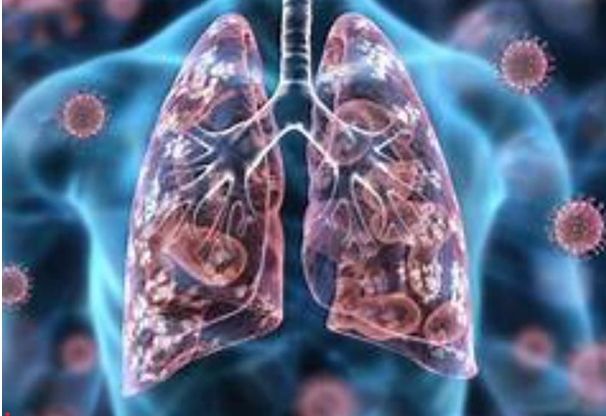
Respiratory Syncytial Virus (RSV) is a highly contagious, single-stranded RNA virus in the
Pneumoviridae family. It primarily infects the respiratory tract, including the nose,
throat, and lungs. Although historically considered a paediatric concern, it is now
recognised as a leading cause of morbidity and mortality among older adults.
1. Characteristics of the Infection:
- Mechanism: The virus triggers significant inflammation and mucus build-up in the respiratory lining, obstructing clear airways.
- Seasonality: In many regions, infections follow a seasonal pattern, peaking in late autumn, winter and continuing into spring.
- Incubation: Symptoms typically appear between 2 and 8 days after exposure.
- Shedding: While healthy adults typically shed the virus for 3 to 8 days,
immunocompromised residents can remain infectious for several weeks,
necessitating extended isolation protocols.
2. Diagnosis and Recognition in Residential Settings
Early detection is the primary defence against a facility-wide outbreak. Because RSV
symptoms often mimic other respiratory illnesses, clinical vigilance is essential.
- Clinical Presentation: Common symptoms include a runny nose, persistent cough, sore throat, and a low-grade fever.
- Atypical Presentation in the Elderly: Infection control teams should be alert to non-respiratory signs. Older residents may not always develop a fever; instead, they may present with increased confusion, lethargy, or reduced appetite/ oral intake
- PCR Testing: This is the gold standard for diagnosis. It is highly sensitive for detecting the virus in nasal or throat swabs and should be prioritised over other methods.
- Rapid Antigen Tests (RATs): While convenient, RATs often have lower sensitivity in adults than PCR tests, leading to false negatives in aged care settings.
- Imaging: Chest X-rays may be necessary to identify secondary complications,
such as pneumonia or significant pulmonary oedema.
Clinical Management and Treatment
As of early 2026 an RSV vaccine was approved and available in Australia for older
adults. This is not technically an “antiviral” (which treats active infection) but rather a
vaccine and passive immunisation. Currently there are no RSV vaccines funded through
the National Immunisation Program for older people, (except for Victorian residents
aged 60 years and over in public and Aboriginal community-controlled aged care
services), so if prescribed, RSV vaccines need to be purchased privately.
So, management is focused on supportive care.
- Hydration: Maintaining adequate fluid intake is vital. If fever or poor intake leads to dehydration, IV fluids or subcutaneous hydration may be required.
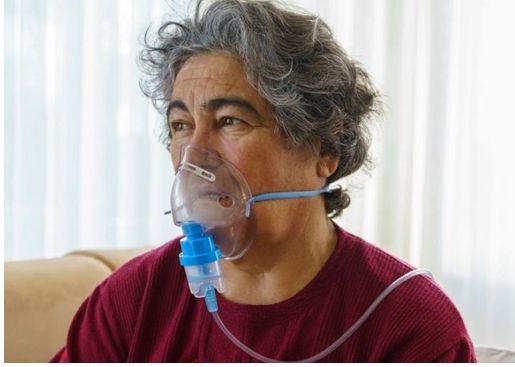
- Oxygen Therapy: Supplemental oxygen is a critical intervention for residents with hypoxia, respiratory distress, or dyspnoea.
- Medication: Antipyretics such as paracetamol or ibuprofen are used to manage fever and pain. Bronchodilators may be prescribed if significant wheezing is present.
- Antibiotic Stewardship: It is essential to remember that antibiotics are ineffective
against RSV. They should be used only if a secondary bacterial infection (such as
bacterial pneumonia) is clinically confirmed.
Why RSV is a Significant Risk for Aged Care Residents
The impact of RSV on the elderly is often underestimated, yet it is a major driver of
hospitalisation and permanent functional decline.
- Immunosenescence: Older adults experience an age-related decline in immune function, making it harder for the body to clear the virus before it moves from the upper to the lower respiratory tract.
- Reduced Respiratory Reserve: Age-related declines in lung capacity mean that even minor viral inflammation can lead to severe respiratory failure.
- Exacerbation of Chronic Conditions: RSV often triggers severe "flares" in underlying diseases, including Congestive Heart Failure (CHF), COPD, and asthma.
- Cardiac Events: The systemic stress from the infection increases the immediate risk of acute cardiac events, such as heart attacks or strokes.
- Mortality Rates: Among hospitalised elderly patients, mortality ranges from 2% to 13%, but can be as high as 36% for those requiring intensive care.
- Long-Term Decline: Many residents do not regain their baseline level of
independence after infection. Up to one-third of residents aged 75+ may die
within a year of a severe RSV infection due to a subsequent decline in overall
health.
Infection Control Strategies for Facilities
Aged care facilities are high-risk environments due to shared communal spaces and
frequent close contact between staff and residents.
1. Transmission Dynamics:
- Droplets: Spread through the air when an infected resident talks, coughs, or sneezes.
- Fomites: The virus is resilient and can survive on hard surfaces (such as bed rails) for several hours.
- Direct Contact: The primary transmission route is physical contact with an
infected individual
2. Operational Prevention and Management:
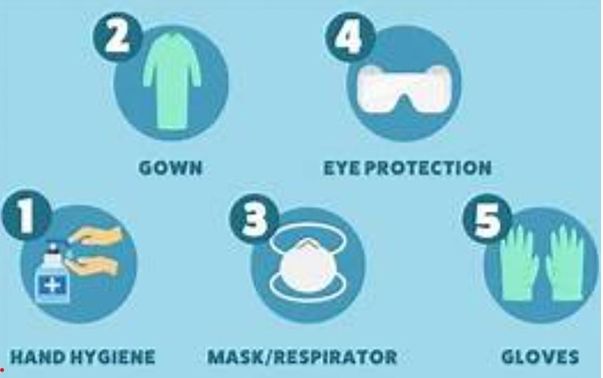
- Standard and Transmission-Based Precautions: Staff must implement both contact and droplet precautions, including wearing gloves, gowns, and surgical masks when caring for symptomatic residents.
- Outbreak Definition: In many jurisdictions, two or more cases among residents within a 72-hour period constitute an outbreak.
- Cohorting: Where possible, symptomatic residents should be cohorted or isolated to minimise spread to the general population.
- Environmental Cleaning: Rigorous cleaning of "high-touch" surfaces, including door handles and shared medical equipment, is essential.
- Hand Hygiene: Frequent handwashing remains the cornerstone of prevention.
- Staff and Visitor Stewardship: Staff with any respiratory symptoms must stay
home. Visitors should be screened, and those with cold symptoms should be
restricted from entering high-risk areas.
The Role of Vaccination in Aged Care
The recent development and approval of RSV vaccines mark a major shift in facility
protection strategies.
- Available Vaccines: Products such as Arexvy or Abryso have been approved for adults aged 60 and over.
- Efficacy: These recombinant subunit vaccines have demonstrated significant efficacy in clinical trials against lower respiratory tract disease.
- Facility Advocacy: Infection control teams should keep vaccination records up to
date and encourage uptake among residents to reduce the risk of severe
outbreaks.

Conclusion
For aged care infection control teams, RSV must be treated with the same level of
clinical suspicion as influenza. The combination of resident vulnerability and the high
density environment of residential care make RSV a clinical threat. By prioritising timely
PCR testing, maintaining strict droplet precautions, and advocating for vaccination,
facilities can significantly reduce the impact of this virus and preserve residents'
functional independence.
For more blogs, see the HUB
That tricky question? Ask EVE for a quick answer or talk to our team at support@infectioncontrol.care
Lyndon Forrest
Managing Director | CEO
Lyndon is the Managing Director of Infection Prevention Services (IPS), bringing over 30 years' experience supporting aged care providers across Australia and New Zealand.
With a background spanning outbreak response, compliance, and infection risk management — alongside hands-on experience leading teams, managing multi-site operations, and navigating business turnaround — he understands both the clinical and organisational pressures aged care providers face. Lyndon holds a Master of Commerce (Industrial Relations), and applies that foundation to the people, process, and growth challenges that come with running a complex healthcare services business.
He is passionate about building the systems and capability that make infection prevention sustainable — not just compliant — and about helping organisations grow their confidence alongside their practice.
Lyndon's focus is straightforward: strengthen operations, develop the right people, and drive proactive infection prevention strategies that protect residents, staff, and communities for the long term.
Lyndon is the Managing Director of Infection Prevention Services (IPS), bringing over 30 years' experience supporting aged care providers across Australia and New Zealand.
With a background spanning outbreak response, compliance, and infection risk management — alongside hands-on experience leading teams, managing multi-site operations, and navigating business turnaround — he understands both the clinical and organisational pressures aged care providers face. Lyndon holds a Master of Commerce (Industrial Relations), and applies that foundation to the people, process, and growth challenges that come with running a complex healthcare services business.
He is passionate about building the systems and capability that make infection prevention sustainable — not just compliant — and about helping organisations grow their confidence alongside their practice.
Lyndon's focus is straightforward: strengthen operations, develop the right people, and drive proactive infection prevention strategies that protect residents, staff, and communities for the long term.
Erica Callaghan
Marketing Manager
Erica Callaghan is a dedicated professional with a rich background in agriculture and nutrient management. Growing up on her family's farm in Mid Canterbury, she developed a deep passion for farming. She currently resides on her partner's arable property in South Canterbury.
In 2017, Erica joined the Farm Sustainability team, focusing on nutrient management and environmental stewardship. In February 2024, she became the Manager of Marketing and Sales at Bug Control New Zealand - Infection Prevention Services, where her passion now includes improving infection prevention outcomes.
Outside of work, Erica loves cooking and traveling, often combining her culinary interests with her explorations in Italy and Vietnam. She enjoys entertaining family and friends and remains actively involved in farm activities, especially during harvest season.
Erica Callaghan is a dedicated professional with a rich background in agriculture and nutrient management. Growing up on her family's farm in Mid Canterbury, she developed a deep passion for farming. She currently resides on her partner's arable property in South Canterbury.
In 2017, Erica joined the Farm Sustainability team, focusing on nutrient management and environmental stewardship. In February 2024, she became the Manager of Marketing and Sales at Bug Control New Zealand - Infection Prevention Services, where her passion now includes improving infection prevention outcomes.
Outside of work, Erica loves cooking and traveling, often combining her culinary interests with her explorations in Italy and Vietnam. She enjoys entertaining family and friends and remains actively involved in farm activities, especially during harvest season.
Toni Sherriff
Clinical Nurse Specialist
Toni is a Registered Nurse with extensive experience in Infection Prevention and Control. Her career began as a kitchen hand and caregiver in Aged Care facilities, followed by earning a Bachelor of Nursing.
Toni has significant experience, having worked in Brisbane’s Infectious Diseases ward before returning home to New Zealand, where she continued her career as a Clinical Nurse Specialist in Infection Prevention and Control within Te Whatu Ora (Health NZ).
Toni brings her expertise and dedication to our team, which is instrumental in providing top-tier infection prevention solutions to our clients.
Toni is a Registered Nurse with extensive experience in Infection Prevention and Control. Her career began as a kitchen hand and caregiver in Aged Care facilities, followed by earning a Bachelor of Nursing.
Toni has significant experience, having worked in Brisbane’s Infectious Diseases ward before returning home to New Zealand, where she continued her career as a Clinical Nurse Specialist in Infection Prevention and Control within Te Whatu Ora (Health NZ).
Toni brings her expertise and dedication to our team, which is instrumental in providing top-tier infection prevention solutions to our clients.
Julie Hadfield
Accounts & Payroll
Julie is experienced in Accounts & Payroll Administration & after a long career in both the Financial & Local Government Sectors, is now working with our team. Julie brings her strong time management & organisational skills to our team, which is important to keep the company running in the background to enable the rest of our team to provide top notch service to all of our clients.
Julie is experienced in Accounts & Payroll Administration & after a long career in both the Financial & Local Government Sectors, is now working with our team. Julie brings her strong time management & organisational skills to our team, which is important to keep the company running in the background to enable the rest of our team to provide top notch service to all of our clients.
Andrea Murray
Content Editor
I attended Otago University in NZ and graduated as a Dental Surgeon. After 40 years in the profession, I retired in 2022. Infection prevention knowledge was part of everyday practice, dealing with sterilisation, hand hygiene, and cleaning.
Before retiring, I began doing some editing and proofreading for Bug Control as I am interested in the subject and in the English language. During the COVID-19 lockdown, I attended the ACIPC course "Introduction to Infection Prevention and Control", which increased my interest in the subject. I now work part-time as the Content Editor for the company.
I attended Otago University in NZ and graduated as a Dental Surgeon. After 40 years in the profession, I retired in 2022. Infection prevention knowledge was part of everyday practice, dealing with sterilisation, hand hygiene, and cleaning.
Before retiring, I began doing some editing and proofreading for Bug Control as I am interested in the subject and in the English language. During the COVID-19 lockdown, I attended the ACIPC course "Introduction to Infection Prevention and Control", which increased my interest in the subject. I now work part-time as the Content Editor for the company.
Personally, I lived in the UK for 10 years. My two children were born in Scotland, and now both are living in Europe, one in Amsterdam, Netherlands, and the other in Edinburgh, Scotland. I live close to Fairlie on the South Island of NZ, a beautiful part of the country, and I love being out of the city.
Princess
Customer Support
Princess began her career as a dedicated Customer Service Representative, honing her communication and problem-solving skills. She later transitioned into a Literary Specialist role, where she developed a keen eye for detail. Her journey then led her to a Sales Specialist position, where she excelled in client relations.
Now, as a Customer Support professional in Infection Prevention Services. Princess focuses on ensuring customer satisfaction, building loyalty, and enhancing the overall customer journey.
Princess began her career as a dedicated Customer Service Representative, honing her communication and problem-solving skills. She later transitioned into a Literary Specialist role, where she developed a keen eye for detail. Her journey then led her to a Sales Specialist position, where she excelled in client relations.
Now, as a Customer Support professional in Infection Prevention Services. Princess focuses on ensuring customer satisfaction, building loyalty, and enhancing the overall customer journey.
Dianne Newey
Senior Infection Prevention and Control Consultant
Dianne is a Senior Clinical Consultant at Infection Prevention Services (IPS), bringing over 35 years of nursing experience and a depth of clinical knowledge that most people would need two careers to accumulate.
Having served as Clinical Director at Royal Ryde Rehabilitation Hospital alongside a career spanning the full breadth of clinical practice, Dianne has seen it all — and more importantly, knows exactly what to do about it. She is the person in the room that everyone quietly hopes will speak first.
For more than seven years she has been a cornerstone of the IPS team, providing clinical advice, developing and reviewing policies and procedures, delivering monthly IPC webinars to IP Leads, and conducting environmental audits in aged care facilities across Australia and New Zealand. If infection prevention has a question, Dianne almost certainly has the answer — and she'll deliver it with a laugh that you'll hear from the other end of the corridor.
A true fountain of knowledge, wrapped in the kind of warmth and humour that only three decades of nursing can produce. Customers don't just trust Dianne — they look forward to hearing from her.
Dianne is a Senior Clinical Consultant at Infection Prevention Services (IPS), bringing over 35 years of nursing experience and a depth of clinical knowledge that most people would need two careers to accumulate.
Having served as Clinical Director at Royal Ryde Rehabilitation Hospital alongside a career spanning the full breadth of clinical practice, Dianne has seen it all — and more importantly, knows exactly what to do about it. She is the person in the room that everyone quietly hopes will speak first.
For more than seven years she has been a cornerstone of the IPS team, providing clinical advice, developing and reviewing policies and procedures, delivering monthly IPC webinars to IP Leads, and conducting environmental audits in aged care facilities across Australia and New Zealand. If infection prevention has a question, Dianne almost certainly has the answer — and she'll deliver it with a laugh that you'll hear from the other end of the corridor.
A true fountain of knowledge, wrapped in the kind of warmth and humour that only three decades of nursing can produce. Customers don't just trust Dianne — they look forward to hearing from her.
Caoimhe (Keva) Stewart
Clinical & Business Operations Manager
Caoimhe is the Clinical & Business Operations Manager at Infection Prevention Services (IPS), bringing a clinical background as a Registered Nurse across the UK and Australia — and an almost unsettling ability to make technology do exactly what she wants.
With experience in Occupational Health, Palliative Care, and Community Nursing, she understands the real challenges faced by healthcare teams. What she may lack in stature she more than makes up for in impact — Caoimhe is the kind of person who walks into a problem, sizes it up, and has three solutions before anyone else has finished reading the brief.
Customers love her. Not just because she delivers — though she always does — but because she genuinely cares about the outcome on the other side. She is passionate about creating seamless learning experiences and empowering organisations with the tools, knowledge, and support needed to strengthen infection prevention practices and improve care outcomes.
Small in size. Mighty in results. Completely irreplaceable.
Caoimhe is the Clinical & Business Operations Manager at Infection Prevention Services (IPS), bringing a clinical background as a Registered Nurse across the UK and Australia — and an almost unsettling ability to make technology do exactly what she wants.
With experience in Occupational Health, Palliative Care, and Community Nursing, she understands the real challenges faced by healthcare teams. What she may lack in stature she more than makes up for in impact — Caoimhe is the kind of person who walks into a problem, sizes it up, and has three solutions before anyone else has finished reading the brief.
Customers love her. Not just because she delivers — though she always does — but because she genuinely cares about the outcome on the other side. She is passionate about creating seamless learning experiences and empowering organisations with the tools, knowledge, and support needed to strengthen infection prevention practices and improve care outcomes.
Small in size. Mighty in results. Completely irreplaceable.
Bridgette Mackie
Clinical Nurse Educator
Bridgette is an experienced New Zealand Registered Nurse, qualified Healthcare Auditor, and Healthcare Educator with a strong background in clinical quality, competency assessment, and infection prevention. She has led large-scale OSCE and CAP training programmes for internationally qualified nurses, developed sector-specific educational resources, and coordinated HealthCERT audit preparation in the surgical sector.
Known for her engaging teaching style and genuine passion for supporting learners, Bridgette excels at making complex topics accessible and relevant. She blends operational leadership with a deep commitment to professional development and safe, effective practice.
Bridgette is an experienced New Zealand Registered Nurse, qualified Healthcare Auditor, and Healthcare Educator with a strong background in clinical quality, competency assessment, and infection prevention. She has led large-scale OSCE and CAP training programmes for internationally qualified nurses, developed sector-specific educational resources, and coordinated HealthCERT audit preparation in the surgical sector.
Known for her engaging teaching style and genuine passion for supporting learners, Bridgette excels at making complex topics accessible and relevant. She blends operational leadership with a deep commitment to professional development and safe, effective practice.